

Hey there! As a home storage battery supplier, I often get asked if home storage batteries are compatible with all types of inverters. It's a crucial question because getting the right match between your battery and inverter is like finding the perfect dance partner. Let's dive into this topic and clear up the confusion.
Understanding Home Storage Batteries and Inverters
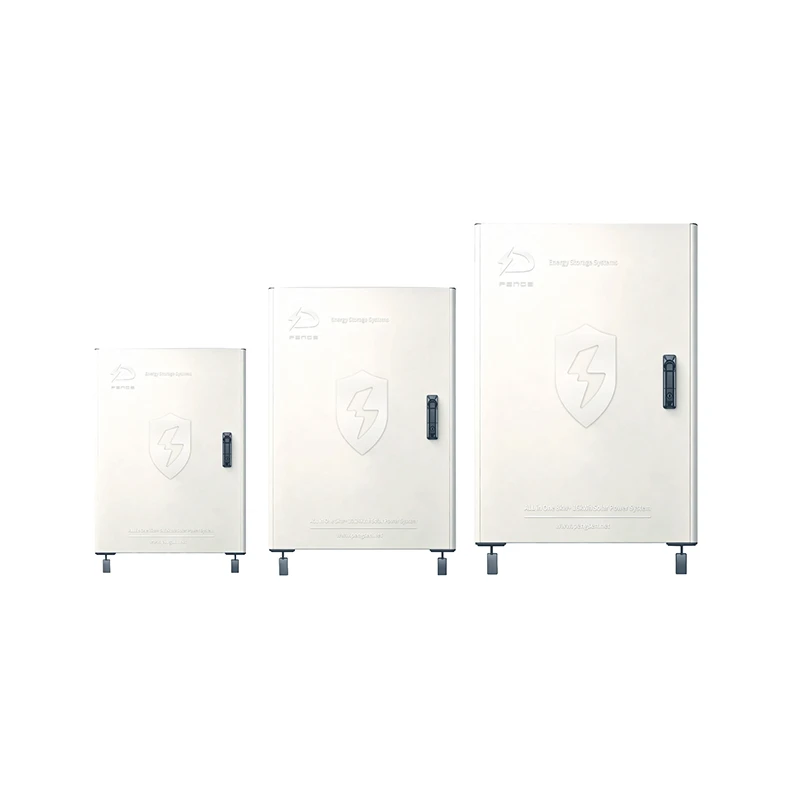
First off, let's break down what each of these things does. A home storage battery, like the ones we offer at our company, stores electrical energy. It can come in various forms, such as Outdoor Portable Power Supply, Wall Mounted Energy Storage Battery, Stackable Home Battery, All in One Solar Battery, and Split Type Energy Storage. These batteries are great for storing excess energy from solar panels, the grid during off - peak hours, or any other power source.
On the other hand, an inverter is a device that converts direct current (DC) electricity stored in the battery into alternating current (AC) electricity, which is what most of our home appliances use. So, essentially, the inverter is the bridge between the battery and our home electrical system.
Why Compatibility Matters
You might be thinking, "What's the big deal if they're not compatible?" Well, there are a few reasons. First, if the battery and inverter aren't compatible, the system might not work at all. You could end up with a battery that's full of energy, but you can't use it because the inverter can't convert it properly.
Second, even if the system does work, it might not work efficiently. An incompatible setup could lead to energy losses, which means you're wasting some of that precious stored energy. Over time, this could add up to higher electricity bills and less savings.

Factors Affecting Compatibility
Voltage and Current Ratings
One of the most important factors is the voltage and current ratings. The battery and inverter need to have matching voltage ratings. For example, if your battery has a nominal voltage of 48 volts, the inverter should be designed to work with a 48 - volt battery. If the voltage ratings don't match, it can cause the inverter to malfunction or even damage the battery.
The current ratings are also crucial. The inverter needs to be able to handle the amount of current that the battery can supply. If the inverter has a lower current rating than what the battery can provide, it might overheat and break down.
Charge Controller Compatibility
In many cases, a charge controller is used to regulate the charging of the battery. This charge controller needs to be compatible with both the battery and the inverter. Some inverters have built - in charge controllers, while others require an external one. If the charge controller isn't compatible, it can lead to overcharging or undercharging of the battery, which can reduce its lifespan.
Communication Protocols
Modern home storage systems often use communication protocols to allow the battery, inverter, and other components to communicate with each other. If the battery and inverter use different communication protocols, they might not be able to share important information like battery state of charge, temperature, and fault messages. This can make it difficult to monitor and control the system effectively.
Types of Inverters and Compatibility
String Inverters
String inverters are commonly used in solar power systems. They work by connecting multiple solar panels in a series (a string) and converting the DC power from the entire string into AC power. These inverters are generally designed to work with a range of battery voltages, but they might require additional components to be compatible with home storage batteries. In some cases, a separate charge controller might be needed to manage the battery charging.
Microinverters
Microinverters are smaller inverters that are installed on each individual solar panel. They convert the DC power from the panel directly into AC power at the panel level. Microinverters are usually less compatible with home storage batteries because they are designed to work with the specific characteristics of a single solar panel. However, some newer microinverter systems can be integrated with battery storage through additional components.
Hybrid Inverters
Hybrid inverters are specifically designed to work with both solar panels and home storage batteries. They can handle the charging and discharging of the battery, as well as the conversion of DC to AC power. These inverters are a great option for those looking to set up a complete solar and battery storage system because they are designed with compatibility in mind.
Our Products and Inverter Compatibility
At our company, we are committed to making sure that our home storage batteries are as compatible as possible with different types of inverters. Our Outdoor Portable Power Supply is designed to be versatile and can work with a variety of inverters commonly used in portable or small - scale applications.
The Wall Mounted Energy Storage Battery is engineered to be compatible with many hybrid inverters, which are ideal for home solar and energy storage setups. This makes it easy for homeowners to integrate the battery into their existing or new solar power systems.
Our Stackable Home Battery offers flexibility in terms of capacity, and it can be paired with inverters that can handle the increased power output when multiple batteries are stacked together.
The All in One Solar Battery comes with a built - in charge controller and is designed to work seamlessly with a range of inverters, providing a hassle - free solution for solar energy storage.
The Split Type Energy Storage system is designed to be modular and can be easily integrated with different types of inverters, allowing for customized energy storage solutions.
How to Ensure Compatibility
If you're considering purchasing a home storage battery and an inverter, here are some steps you can take to ensure compatibility:
- Check the specifications: Carefully read the product specifications of both the battery and the inverter. Look for information on voltage ratings, current ratings, charge controller requirements, and communication protocols.
- Consult the manufacturer: Reach out to the battery and inverter manufacturers. They can provide you with detailed information on compatibility and might even offer some recommendations on which products work well together.
- Work with a professional: A professional electrician or solar installer can help you design a system that ensures compatibility between the battery and the inverter. They have the experience and knowledge to choose the right components for your specific needs.
Conclusion
In conclusion, home storage batteries are not compatible with all types of inverters. However, with proper research and planning, you can find the right combination that works for your home energy storage needs. As a home storage battery supplier, we are always here to help you navigate through these choices. Whether you're interested in our Outdoor Portable Power Supply, Wall Mounted Energy Storage Battery, Stackable Home Battery, All in One Solar Battery, or Split Type Energy Storage, we can provide you with the information and support you need to make the right decision.
If you're interested in purchasing our home storage batteries or have any questions about compatibility with inverters, don't hesitate to reach out. We're ready to have a chat with you and assist you in setting up the perfect home energy storage system.
References
- Solar Energy Industries Association. (2023). Understanding Inverters in Solar Power Systems.
- Battery Council International. (2023). Home Battery Storage Basics.