

When it comes to hybrid boats, the integration of a high capacity marine battery is a crucial aspect that requires careful consideration. As a supplier of Hyperlink: High Capacity Marine Battery, I have witnessed firsthand the growing demand for efficient and reliable energy storage solutions in the marine industry. In this blog post, I will delve into the key integration requirements for high capacity marine batteries in hybrid boats, providing insights based on my experience and industry knowledge.
Compatibility with Hybrid Propulsion Systems
One of the primary integration requirements for a high capacity marine battery in hybrid boats is compatibility with the hybrid propulsion system. Hybrid boats typically combine a traditional internal combustion engine with an electric motor, and the battery plays a vital role in powering the electric motor. Therefore, the battery must be able to interface seamlessly with the propulsion system to ensure efficient operation.
The battery's voltage and capacity should be carefully matched to the requirements of the electric motor and the overall hybrid system. Mismatched voltage can lead to inefficient charging and discharging, reduced battery life, and potential damage to the electrical components. Additionally, the battery's discharge rate should be sufficient to meet the power demands of the electric motor during acceleration, cruising, and other operating conditions.
Safety and Reliability
Safety is of utmost importance when integrating a high capacity marine battery into a hybrid boat. Marine environments are harsh, with exposure to water, vibrations, and temperature variations, which can pose significant challenges to battery performance and safety. Therefore, the battery must be designed and manufactured to meet strict safety standards and regulations.
The battery should be equipped with advanced safety features such as overcharge protection, over - discharge protection, short - circuit protection, and thermal management systems. These features help prevent battery failures, fires, and explosions, ensuring the safety of the boat's passengers and crew. Additionally, the battery's enclosure should be waterproof and resistant to corrosion to protect it from the marine environment.
Reliability is also a key factor, as any battery failure can leave the boat stranded at sea. High - quality batteries with a proven track record of reliability should be selected, and regular maintenance and monitoring should be carried out to ensure optimal performance over time.
Charging Infrastructure
An effective charging infrastructure is essential for the successful integration of a high capacity marine battery in a hybrid boat. The battery can be charged through various methods, including shore - based charging stations, onboard generators, and regenerative braking systems.
Shore - based charging stations are the most common method of charging marine batteries. They provide a convenient and reliable way to recharge the battery when the boat is docked. However, the charging time can vary depending on the capacity of the battery and the charging rate of the station. Therefore, it is important to ensure that the charging station has sufficient power output to meet the battery's charging requirements in a reasonable amount of time.
Onboard generators can also be used to charge the battery while the boat is underway. This provides an additional source of power and allows for continuous operation of the hybrid system. However, generators generate noise and emissions, which may be a concern in some areas.
Regenerative braking systems, which capture and store energy during braking or deceleration, can also contribute to charging the battery. These systems are more environmentally friendly and can help improve the overall efficiency of the hybrid boat.
Space and Weight Considerations
Space and weight are critical factors in marine applications, as boats have limited space and weight - carrying capacity. High capacity marine batteries are typically larger and heavier than traditional lead - acid batteries, which can have a significant impact on the boat's design and performance.
Therefore, the battery's size and weight should be carefully evaluated during the integration process. Compact and lightweight battery designs should be preferred to minimize the impact on the boat's stability, maneuverability, and fuel efficiency. Additionally, the battery should be installed in a location that provides easy access for maintenance and inspection while ensuring proper ventilation to prevent overheating.
Monitoring and Control Systems
To ensure optimal performance and longevity of the high capacity marine battery, a comprehensive monitoring and control system is required. This system allows the boat's operator to monitor the battery's state of charge, state of health, temperature, and other key parameters in real - time.

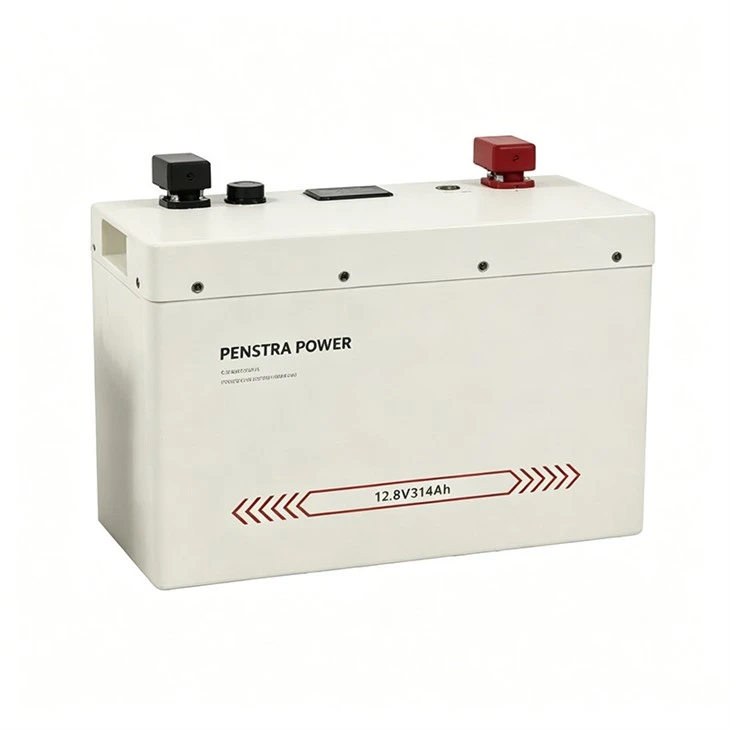
The monitoring system can provide early warnings of potential battery problems, allowing for timely maintenance and replacement. It can also help optimize the charging and discharging processes to extend the battery's lifespan and improve the overall efficiency of the hybrid system.
Control systems are used to regulate the flow of power between the battery, the electric motor, and other electrical components. They ensure that the battery is charged and discharged in a safe and efficient manner, and that the power output of the hybrid system is optimized based on the boat's operating conditions.
Long - term Cost and Performance
When integrating a high capacity marine battery in a hybrid boat, long - term cost and performance are important considerations. While high - capacity batteries may have a higher upfront cost compared to traditional batteries, they can offer significant savings in the long run due to their higher energy density, longer lifespan, and lower maintenance requirements.
The battery's energy efficiency is also a key factor, as it directly affects the boat's fuel consumption and operating costs. Batteries with high energy efficiency can store and deliver more energy per unit of weight and volume, reducing the need for frequent recharging and improving the overall range of the hybrid boat.
Specialized Applications
In addition to general hybrid boats, there are also specialized applications such as Hyperlink: Unmanned Lifebuoy Battery, Hyperlink: Unmanned Rescue Boat Battery, and Hyperlink: LiPo Battery for Bait Boat. These applications often have unique requirements, such as longer standby times, high - power discharge capabilities, and compact form factors.
For unmanned lifebuoys and rescue boats, the battery needs to be reliable and able to provide sufficient power for extended periods of time. In the case of bait boats, the LiPo battery should be lightweight and have a high energy density to enable long - distance operation. Our company offers a range of batteries tailored to these specialized applications, ensuring that they meet the specific requirements of each use case.
Conclusion
Integrating a high capacity marine battery into a hybrid boat involves a complex set of requirements that span compatibility, safety, charging infrastructure, space, and cost. As a high capacity marine battery supplier, we understand the importance of meeting these requirements to ensure the successful operation of hybrid boats.
If you are in the market for a high capacity marine battery for your hybrid boat or specialized marine application, we are here to help. Our team of experts can provide customized solutions to meet your specific needs. We invite you to contact us to discuss your requirements and explore how our high - quality batteries can enhance the performance and efficiency of your marine vessel.
References
- [List of relevant industry standards and guidelines for marine batteries]
- [Technical papers on hybrid boat propulsion systems and battery integration]
- [Case studies of successful high capacity marine battery integrations in hybrid boats]