

When it comes to hair straighteners, one crucial component that often goes unnoticed is the battery. As a leading supplier of Hair Straightener Batteries, I've received numerous inquiries about how these batteries perform in cold climates. In this blog post, I'll delve into the science behind battery performance in low temperatures and provide insights based on our extensive experience in the industry.
The Science of Battery Performance in Cold Climates
To understand how hair straightener batteries work in cold climates, we first need to grasp the basic principles of battery operation. Most hair straighteners use lithium - ion batteries, which are known for their high energy density and long cycle life. These batteries rely on the movement of lithium ions between the anode and the cathode through an electrolyte to generate electricity.
In cold temperatures, the chemical reactions within the battery slow down significantly. The electrolyte's viscosity increases, making it more difficult for the lithium ions to move freely. This impedance resists the flow of current, reducing the battery's ability to deliver power efficiently. As a result, the battery's voltage drops, and its capacity is diminished.
For example, a fully charged hair straightener battery that can provide an hour of usage at normal room temperature (around 20 - 25°C) might only last for a fraction of that time in cold weather. The cold can also cause the battery to discharge more rapidly, even when the hair straightener is not in use.
Real - World Impacts on Hair Straightener Users
The reduced performance of hair straightener batteries in cold climates can be a major inconvenience for users. Imagine being on a winter vacation, getting ready for a night out, and finding that your hair straightener loses power before you can finish styling your hair. Not only does this disrupt your routine, but it can also leave you feeling frustrated.
In extremely cold conditions, the battery might not even reach a sufficient charge level to power the hair straightener at all. This is because the charging process is also affected by the cold. The slow movement of ions within the battery means that it takes longer to charge, and in some cases, the charger might not be able to overcome the increased impedance, resulting in an incomplete charge.
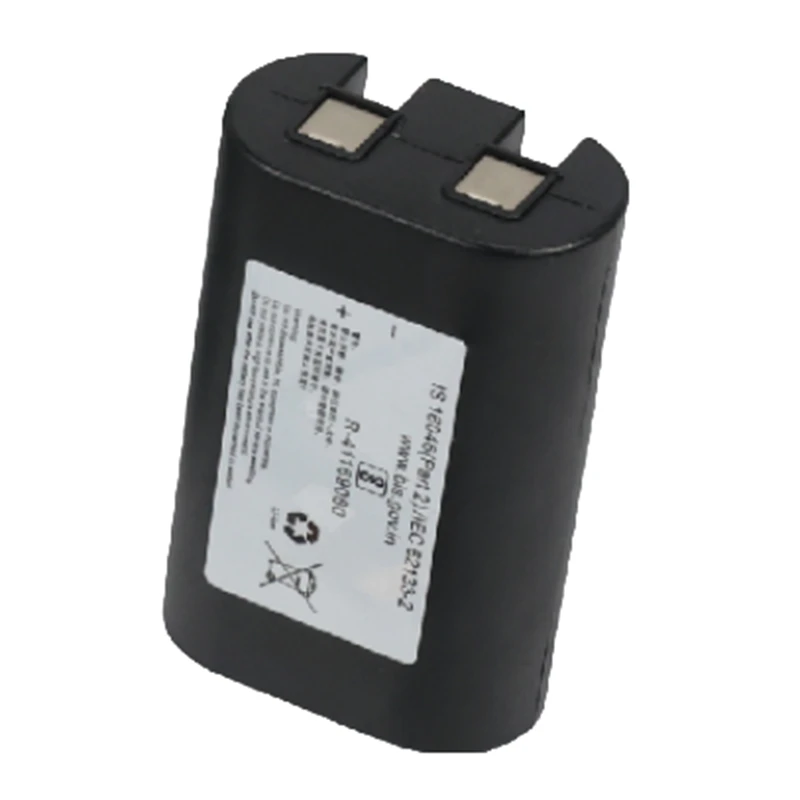

Our Solutions as a Hair Straightener Battery Supplier
As a supplier, we understand the challenges that cold climates pose to hair straightener battery performance. That's why we've invested heavily in research and development to create batteries that are more resilient to low temperatures.
One of the key features of our hair straightener batteries is the use of advanced electrolytes. These electrolytes are formulated to have a lower freezing point and better conductivity at cold temperatures. This allows the lithium ions to move more freely, even in sub - zero conditions, ensuring that the battery can deliver a consistent amount of power.
We also incorporate intelligent battery management systems (BMS) into our products. The BMS monitors the battery's temperature, voltage, and current in real - time. When it detects cold conditions, it can adjust the charging and discharging parameters to optimize performance. For example, it might slow down the charging process to ensure a more complete charge or limit the power output to prevent over - discharging.
Comparing with Other Types of Batteries
It's interesting to note how hair straightener batteries compare to other types of batteries in cold climates. For instance, android Tablet Battery and High Capacity Laptop Battery also face challenges in cold weather. These devices often rely on similar lithium - ion battery technology, and they experience similar issues with reduced capacity and performance.
However, hair straighteners have unique requirements. They need to heat up quickly and maintain a high temperature, which places a greater demand on the battery. In comparison, tablets and laptops can function at lower power levels, and their performance is not as directly affected by the battery's inability to deliver high - power spikes.
On the other hand, Beauty Device Battery used in other beauty devices might have different power requirements. Some beauty devices operate at lower temperatures and consume less power, so they might not be as severely affected by cold climates as hair straighteners.
GPS Navigator Battery and Electric Start Lawn Mower Battery also face cold - related challenges. These batteries are often used outdoors in various weather conditions, and their performance can be significantly impacted by low temperatures. But again, the usage scenarios and power demands of these devices are different from those of hair straighteners.
Tips for Users in Cold Climates
For users in cold climates, there are several steps you can take to ensure optimal performance of your hair straightener battery. First, try to keep your hair straightener warm when not in use. You can store it in a warm place, such as inside your coat pocket or in a heated room.
When charging the battery, make sure it is at a reasonable temperature. If the battery is too cold, it might not charge properly. You can warm it up slightly by holding it in your hand for a few minutes before plugging it in.
It's also a good idea to carry a spare battery if you know you'll be in cold conditions for an extended period. This way, you can quickly swap out the depleted battery for a fully charged one and continue styling your hair.
Conclusion and Call to Action
In conclusion, hair straightener batteries do face challenges in cold climates due to the slowdown of chemical reactions and increased impedance. However, as a Hair Straightener Battery supplier, we are committed to providing high - quality batteries that can withstand these conditions. Our advanced electrolytes and intelligent battery management systems ensure that our batteries deliver reliable performance, even in cold weather.
If you're in the market for hair straightener batteries or have any questions about their performance in cold climates, we'd love to hear from you. We can provide you with detailed product information and help you choose the right battery for your needs. Contact us today to start a conversation about your battery requirements.
References
- Linden, D., & Reddy, T. B. (2002). Handbook of Batteries. McGraw - Hill.
- Tarascon, J. M., & Armand, M. (2001). Issues and challenges facing rechargeable lithium batteries. Nature, 414(6861), 359 - 367.
- Winter, M., & Brodd, R. J. (2004). What are batteries, fuel cells, and supercapacitors?. Chemical Reviews, 104(10), 4245 - 4269.