

Hey there! As a supplier of cordless tool batteries, I've seen my fair share of issues, and one of the most common problems is short - circuits. A short - circuit in a cordless tool battery can not only render the battery useless but also pose a safety risk. So, in this blog, I'm gonna share with you how to check for short - circuits in a cordless tool battery.
Why Short - Circuits Happen in Cordless Tool Batteries
Before we get into the checking process, it's important to understand why short - circuits occur. There are a few reasons for this. First off, physical damage to the battery can cause a short - circuit. If the battery casing is cracked or the internal components are exposed, the positive and negative terminals might come into contact with each other, leading to a short.
Another reason could be overheating. When a battery overheats, the internal structure can break down, and this might cause a short - circuit. Also, if the battery is used in a harsh environment, like a place with a lot of dust or moisture, it can increase the chances of a short - circuit.
Tools You'll Need
To check for short - circuits in a cordless tool battery, you'll need a few basic tools. A multimeter is the most important one. It's a device that can measure voltage, current, and resistance. You can pick up a good multimeter at your local hardware store.
You'll also need a pair of insulated gloves. Safety first, right? When dealing with batteries, you don't want to risk getting an electric shock. And a small flashlight can be handy, especially if you need to look inside the battery compartment.
Step - by - Step Checking Process
Step 1: Visual Inspection
The first thing you should do is give the battery a good visual inspection. Look for any signs of physical damage, like cracks in the casing, bent terminals, or any visible signs of overheating, such as discoloration. If you see any of these issues, there's a high chance that the battery has a short - circuit.
Step 2: Disconnect the Battery
Before you start testing, make sure to disconnect the battery from the tool. This will prevent any accidental electric shocks and also ensure accurate test results.
Step 3: Set Up the Multimeter
Turn on your multimeter and set it to the resistance mode. Resistance is measured in ohms, and it'll help you determine if there's a short - circuit in the battery.
Step 4: Test the Battery Terminals
Take the multimeter probes and touch them to the positive and negative terminals of the battery. A normal, healthy battery should show a high resistance reading. If the reading is close to zero or very low, it indicates a short - circuit.
But be careful! Sometimes, a low reading might just be due to a surface charge on the terminals. To rule this out, you can discharge the battery slightly and then retest.
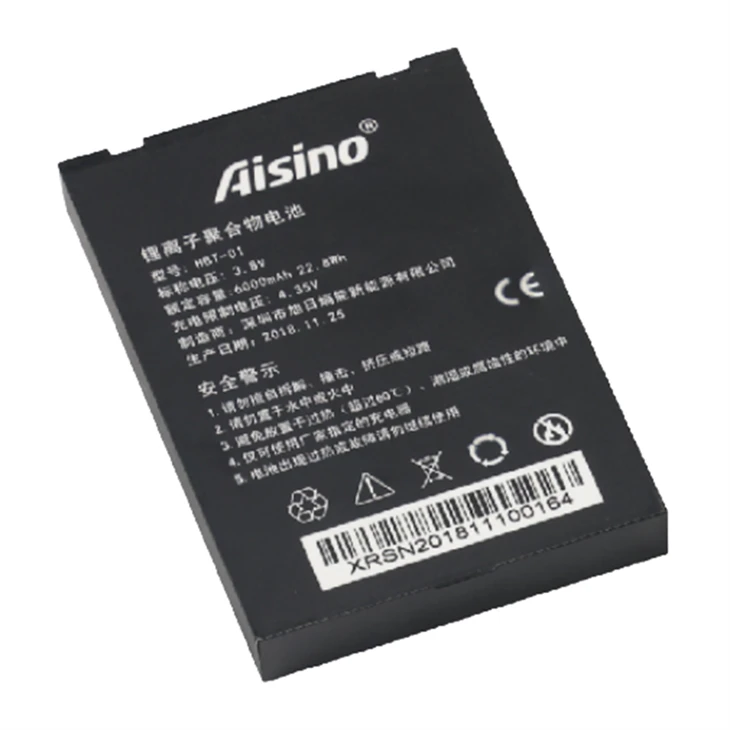

Step 5: Check the Battery Cells
Most cordless tool batteries are made up of multiple cells. You can test each cell individually to see if any of them have a short - circuit. To do this, you'll need to access the individual cell terminals. This might require removing the battery casing, so make sure you know what you're doing and follow the manufacturer's instructions.
Once you've accessed the cell terminals, use the multimeter to test the resistance of each cell. If one of the cells has a very low resistance reading, it's likely that cell has a short - circuit.
Other Ways to Detect Short - Circuits
Apart from using a multimeter, there are a few other ways to detect short - circuits. One way is to use a battery charger. If the charger shows an error or shuts off immediately when you try to charge the battery, it could be a sign of a short - circuit.
You can also listen for any strange noises coming from the battery. A short - circuit can sometimes cause a hissing or popping sound. If you hear any of these sounds, it's best to stop using the battery right away.
Preventing Short - Circuits
Now that you know how to check for short - circuits, let's talk about how to prevent them. First, always handle your cordless tool batteries with care. Avoid dropping them or subjecting them to physical damage.
Keep the batteries in a cool, dry place. Overheating and moisture are two major causes of short - circuits, so storing the batteries properly can help prevent these issues.
Also, make sure to use the correct charger for your battery. Using an incompatible charger can cause overheating and increase the risk of a short - circuit.
Our Other Battery Products
As a cordless tool battery supplier, we also offer a range of other high - quality batteries. Check out our Decent Scooter Battery, which provides reliable power for your scooter. Our Power Bank Core is perfect for keeping your devices charged on the go. If you're into beauty devices, our Beauty Device Battery is a great choice. We also have Long Lasting Toy Battery for all those fun toys, and android Tablet Battery to keep your tablet running smoothly.
Contact Us for Purchasing
If you're interested in our cordless tool batteries or any of our other battery products, we'd love to hear from you. Whether you're a retailer looking to stock up or an individual in need of a replacement battery, we can provide you with the right solution. Just reach out to us, and we'll start the purchasing and negotiation process.
References
- Battery safety guidelines from major battery manufacturers
- Electrical engineering textbooks on battery testing and maintenance