

In the modern household cleaning landscape, floor cleaners have become indispensable tools for maintaining a spotless living environment. Among the various types of floor cleaners, cordless models powered by batteries have gained significant popularity due to their convenience and flexibility. As a leading Floor Cleaner Battery supplier, I am often asked about the relationship between the battery and the suction power of a floor cleaner. In this blog post, I will delve into the scientific aspects of this relationship and explore how the battery influences the suction power of floor cleaners.
Understanding the Basics of Suction Power
Before delving into the influence of batteries on suction power, it's essential to understand what suction power is and how it is generated in a floor cleaner. Suction power refers to the ability of a floor cleaner to draw in dirt, dust, and debris from the floor surface. It is typically measured in air watts (AW), which takes into account both the air flow rate (measured in cubic feet per minute or CFM) and the suction pressure (measured in inches of water lift).
The suction power of a floor cleaner is primarily generated by an electric motor that drives a fan or impeller. As the motor spins the fan, it creates a low-pressure area inside the cleaner's suction chamber, causing air and debris to be drawn in through the cleaning head. The stronger the motor and the more efficient the fan design, the higher the suction power of the floor cleaner.
The Role of the Battery in Powering the Motor
In a cordless floor cleaner, the battery serves as the primary source of power for the electric motor. The battery provides the electrical energy needed to drive the motor, which in turn powers the fan or impeller that creates the suction. Therefore, the performance of the battery directly affects the performance of the motor and, ultimately, the suction power of the floor cleaner.
One of the key factors that determine the performance of a battery is its voltage. Voltage is a measure of the electrical potential difference between two points in a circuit and is often compared to the pressure in a water pipe. A higher voltage battery can provide more electrical energy to the motor, allowing it to spin the fan or impeller at a higher speed and generate more suction power.
For example, a floor cleaner powered by a 24V battery will generally have a higher suction power than one powered by a 12V battery, assuming all other factors are equal. However, it's important to note that increasing the battery voltage also increases the power consumption and can reduce the runtime of the floor cleaner.
Battery Capacity and Runtime
In addition to voltage, battery capacity is another important factor to consider when evaluating the performance of a floor cleaner battery. Battery capacity is measured in ampere-hours (Ah) and represents the amount of electrical charge that the battery can store. A higher capacity battery can provide more electrical energy over a longer period, allowing the floor cleaner to operate for a longer time without needing to be recharged.
The runtime of a cordless floor cleaner is directly related to its battery capacity and the power consumption of the motor. A floor cleaner with a high-capacity battery and a low-power motor will generally have a longer runtime than one with a low-capacity battery and a high-power motor. However, it's important to note that increasing the battery capacity also increases the weight and cost of the battery.
Battery Chemistry and Performance
The type of battery chemistry used in a floor cleaner battery can also have a significant impact on its performance. There are several different types of battery chemistries available, each with its own advantages and disadvantages.
- Nickel-Cadmium (NiCd) Batteries: NiCd batteries were one of the first types of rechargeable batteries used in cordless floor cleaners. They are known for their high discharge rates and long cycle life, but they also have a relatively low energy density and are prone to the "memory effect," which can reduce their capacity over time.
- Nickel-Metal Hydride (NiMH) Batteries: NiMH batteries are an improvement over NiCd batteries in terms of energy density and environmental friendliness. They have a higher capacity than NiCd batteries and are less prone to the memory effect, but they also have a shorter cycle life and a higher self-discharge rate.
- Lithium-Ion (Li-ion) Batteries: Li-ion batteries are the most commonly used type of battery in modern cordless floor cleaners. They have a high energy density, a long cycle life, and a low self-discharge rate, making them ideal for high-performance applications. Li-ion batteries also do not suffer from the memory effect, which means they can be recharged at any time without reducing their capacity.
As a Floor Cleaner Battery supplier, we offer a range of batteries with different chemistries to meet the specific needs of our customers. We recommend Li-ion batteries for most applications due to their superior performance and reliability.
Optimizing Battery Performance for Maximum Suction Power
To ensure that your floor cleaner operates at its maximum suction power, it's important to take proper care of the battery. Here are some tips to help you optimize the performance of your floor cleaner battery:
- Charge the Battery Properly: Follow the manufacturer's instructions for charging the battery. Overcharging or undercharging the battery can reduce its capacity and lifespan.
- Store the Battery Correctly: Store the battery in a cool, dry place when not in use. Avoid exposing the battery to extreme temperatures or humidity, as this can damage the battery and reduce its performance.
- Use the Right Battery for Your Floor Cleaner: Make sure you are using a battery that is specifically designed for your floor cleaner. Using an incompatible battery can damage the floor cleaner and reduce its performance.
- Replace the Battery When Necessary: Over time, the capacity of the battery will decrease, and it will need to be replaced. If you notice a significant decrease in the suction power or runtime of your floor cleaner, it may be time to replace the battery.
Other Applications of Our Batteries
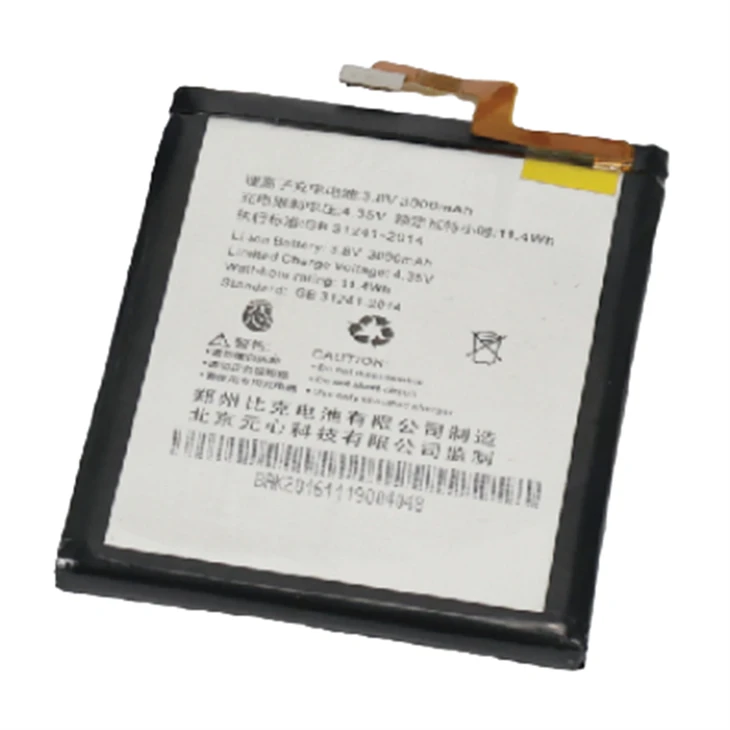
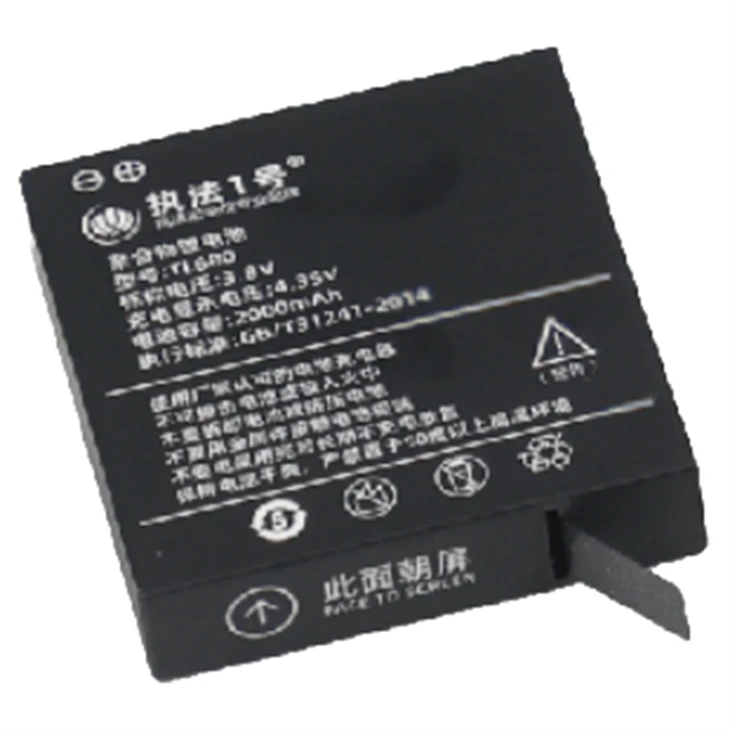
In addition to floor cleaner batteries, we also supply high-quality batteries for a variety of other consumer electronics. Our product range includes GPS Navigator Battery, Beauty Device Battery, Hair Straightener Battery, Handheld Scanner Battery, and Smart Band Battery. All of our batteries are designed to provide reliable performance and long-lasting power.
Conclusion
In conclusion, the battery plays a crucial role in determining the suction power and performance of a cordless floor cleaner. The voltage, capacity, and chemistry of the battery all have a direct impact on the performance of the motor and, ultimately, the suction power of the floor cleaner. By choosing the right battery and taking proper care of it, you can ensure that your floor cleaner operates at its maximum suction power and provides you with years of reliable service.
If you are interested in purchasing high-quality floor cleaner batteries or batteries for other consumer electronics, please feel free to contact us for more information. We are committed to providing our customers with the best products and services at competitive prices.
References
- "Understanding Suction Power in Vacuum Cleaners." Crisp Cleaning, Accessed 15 March 2024.
- "Battery Chemistry: Types and Their Applications." Battery University, Accessed 15 March 2024.
- "How to Extend the Life of Your Rechargeable Batteries." DIY Repair Guides, Accessed 15 March 2024.