

As a supplier of marine lithium batteries, I've witnessed firsthand the growing importance of battery technology in the marine industry. One of the most frequently asked questions by our customers is about the weight of marine lithium batteries compared to other types of batteries. In this blog post, I'll delve into this topic, exploring the weight differences and their implications for the marine sector.
Understanding the Basics: Marine Lithium Batteries vs. Traditional Batteries
Before we dive into the weight comparison, let's briefly understand what marine lithium batteries are and how they differ from traditional batteries. Marine lithium batteries are rechargeable batteries that use lithium-ion technology. They are designed to provide high energy density, long cycle life, and excellent performance in marine environments. On the other hand, traditional marine batteries, such as lead-acid batteries, have been around for much longer and are known for their reliability but come with certain limitations.
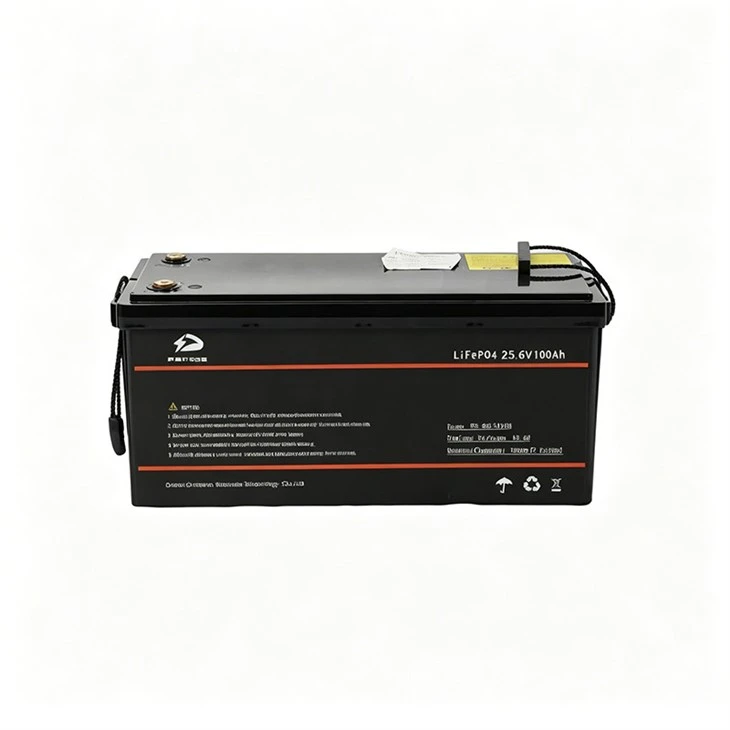
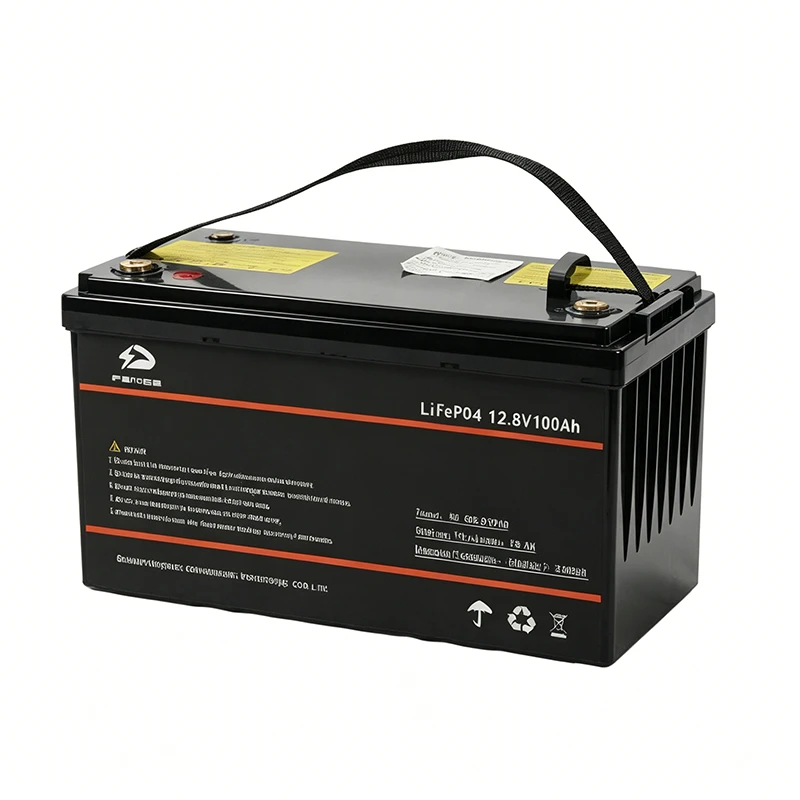
Weight Comparison: Lithium vs. Lead-Acid Batteries
One of the most significant advantages of marine lithium batteries over lead-acid batteries is their weight. Lead-acid batteries are notoriously heavy due to the presence of lead plates and sulfuric acid electrolyte. For example, a typical 12-volt 100Ah lead-acid battery can weigh around 30 - 35 kilograms. In contrast, a 12-volt 100Ah marine lithium battery of the same capacity weighs only about 10 - 12 kilograms. This means that lithium batteries can be up to 70% lighter than lead-acid batteries.
The weight difference has several practical implications. In smaller boats, such as bait boats or unmanned lifebuoys, every kilogram of weight savings can make a significant difference in performance. A lighter battery means less load on the boat, which can result in increased speed, better maneuverability, and longer cruising range. For larger vessels, the weight savings can translate into improved fuel efficiency, as the engine doesn't have to work as hard to move the additional weight of the battery.
Other Types of Batteries: A Comparative Look
Apart from lead-acid batteries, there are other types of batteries used in the marine industry, such as nickel-cadmium (Ni-Cd) and nickel-metal hydride (Ni-MH) batteries. Ni-Cd batteries are known for their high energy density and long cycle life, but they are also relatively heavy. A 12-volt Ni-Cd battery of similar capacity to a lithium battery can weigh around 20 - 25 kilograms, still heavier than a lithium battery.
Ni-MH batteries are a more environmentally friendly alternative to Ni-Cd batteries, but they also have a lower energy density. As a result, they tend to be bulkier and heavier than lithium batteries. For a comparable energy output, a Ni-MH battery can be 20 - 30% heavier than a marine lithium battery.
Impact on Different Marine Applications
The weight advantage of marine lithium batteries has a significant impact on various marine applications. Let's take a closer look at some of these applications:
Unmanned Lifebuoy Battery
Unmanned lifebuoys are designed to be lightweight and portable, making them easy to deploy in emergency situations. A heavy battery can limit their mobility and effectiveness. Our Unmanned Lifebuoy Battery is specifically designed to be lightweight and compact, ensuring that the lifebuoy can be quickly and easily deployed when needed.
LiPo Battery for Bait Boat
Bait boats are small, remote-controlled boats used for fishing. They require a lightweight and high-performance battery to operate efficiently. Our LiPo Battery for Bait Boat provides the perfect solution, offering long runtime and high energy density in a lightweight package.
Unmanned Rescue Boat Battery
Unmanned rescue boats play a crucial role in saving lives in the water. They need to be fast, agile, and able to operate for extended periods. A heavy battery can slow down the boat and reduce its range. Our Unmanned Rescue Boat Battery is engineered to be lightweight and powerful, enabling the rescue boat to reach the affected area quickly and safely.
High Capacity Marine Battery
For larger vessels, such as yachts and sailboats, high capacity batteries are essential to power various electrical systems. Our High Capacity Marine Battery offers a high energy density and long cycle life, all while being significantly lighter than traditional lead-acid batteries. This not only improves the overall performance of the vessel but also reduces the maintenance requirements.
Additional Benefits of Marine Lithium Batteries
In addition to their weight advantage, marine lithium batteries offer several other benefits. They have a longer cycle life, which means they can be recharged and discharged more times than traditional batteries. This reduces the frequency of battery replacement, saving you both time and money in the long run.
Lithium batteries also have a higher charge efficiency, which means they can be charged more quickly and effectively. They are less prone to self-discharge, so they can hold their charge for longer periods when not in use. Furthermore, they operate more efficiently in a wider range of temperatures, making them suitable for use in different marine environments.
Making the Switch to Marine Lithium Batteries
If you're considering making the switch to marine lithium batteries, there are a few things to keep in mind. First, you'll need to ensure that your existing charging system is compatible with lithium batteries. In some cases, you may need to upgrade your charger to a lithium-compatible model.
Second, it's important to choose a high-quality marine lithium battery from a reputable supplier. Look for batteries that have been tested and certified to meet industry standards. Our company takes pride in offering high-quality marine lithium batteries that are designed to provide reliable performance in the toughest marine conditions.
Conclusion
In conclusion, the weight of marine lithium batteries is significantly lighter than other types of batteries, such as lead-acid, Ni-Cd, and Ni-MH batteries. This weight advantage has numerous benefits for the marine industry, including improved performance, increased mobility, and better fuel efficiency. Whether you're using an unmanned lifebuoy, a bait boat, an unmanned rescue boat, or a larger vessel, a marine lithium battery can provide a lightweight and high-performance solution.
If you're interested in learning more about our marine lithium batteries or would like to discuss your specific requirements, we welcome you to reach out to us for procurement and negotiation. We're committed to providing our customers with the best products and services in the marine battery industry.
References
- Linden, D., & Reddy, T. B. (2002). Handbook of Batteries. McGraw-Hill.
- Tarascon, J. M., & Armand, M. (2001). Issues and challenges facing rechargeable lithium batteries. Nature, 414(6861), 359-367.