

Yo, what's up! I'm a supplier of consumer batteries, and today I wanna chat about how consumer batteries stack up against other power sources. It's a topic that's super relevant, especially in our tech - crazy world where we're always looking for the best way to keep our devices running.
Let's start by talking about what consumer batteries are. These are the batteries we use in our everyday gadgets. Think about the batteries in your Smart Band Battery, your POS Terminal Battery, Massager Battery, Emergency Flashlight Battery, or GPS Navigator Battery. They come in different shapes, sizes, and chemistries, like alkaline, lithium - ion, and nickel - metal hydride.
Now, let's compare them to other power sources. One of the most common alternative power sources is the grid power. Grid power is what we get from the electrical outlets in our homes and offices. It's super reliable and usually has a consistent voltage. You can plug in your devices and they'll run as long as the power doesn't go out.
But the big downside of grid power is its lack of portability. You can't just take your laptop and plug it in anywhere you go. That's where consumer batteries shine. They're portable, so you can use your devices on the go. Whether you're on a long - haul flight, camping in the mountains, or just sitting in a park, your battery - powered devices will keep working.

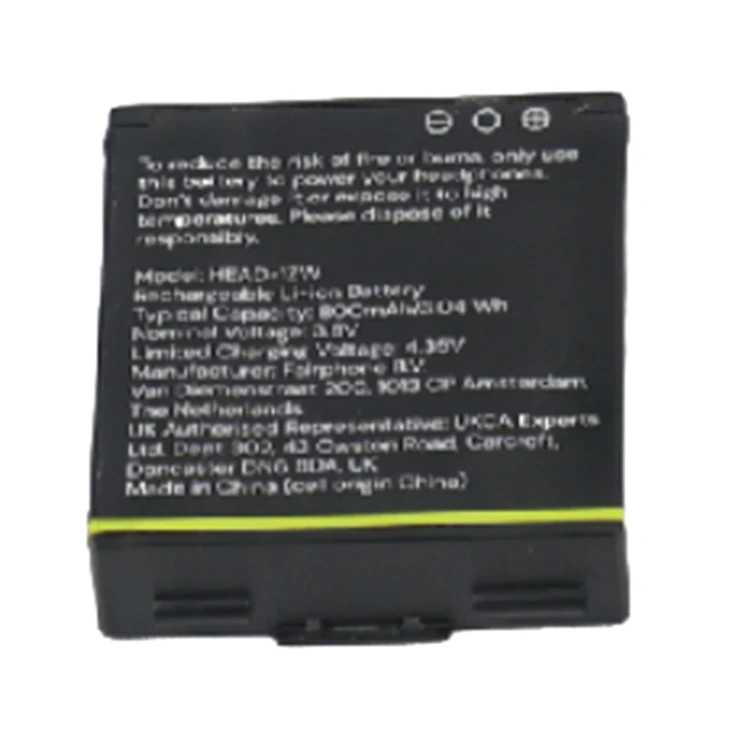
Another alternative power source is solar power. Solar power is great because it's renewable and environmentally friendly. You can charge your devices using solar panels, which is awesome for reducing your carbon footprint. However, solar power is dependent on sunlight. If it's cloudy or at night, you might not be able to charge your devices. And solar panels can be pretty expensive to buy and install.
Consumer batteries, on the other hand, are ready to use right out of the box. You don't need to wait for the sun to shine to get them working. You can stock up on a bunch of batteries and have them on hand whenever you need them.
Let's talk about cost. Grid power is generally cheaper in the long run, especially if you're using high - power devices like a refrigerator or a washing machine. But for small, low - power devices like remote controls or wireless headphones, consumer batteries can be more cost - effective. You don't have to run wires or pay for installation, and you can easily replace the batteries when they die.
When it comes to solar power, the initial investment can be quite high. You need to buy the solar panels, the inverters, and other equipment. And then there's the maintenance cost. Consumer batteries, in comparison, are relatively inexpensive. You can find a pack of AA or AAA batteries at a reasonable price at your local store.
Now, let's look at the performance. Grid power provides a stable and continuous supply of electricity. This is great for devices that require a constant power source, like desktop computers. Consumer batteries, however, have a limited capacity. Once they're drained, you need to replace or recharge them. But modern consumer batteries, especially lithium - ion ones, have a pretty good energy density. They can store a lot of energy in a small space, which means your devices can run for a long time on a single charge.
Solar power can be a bit inconsistent. The amount of power you get depends on the intensity of the sunlight and the size of your solar panels. Consumer batteries, on the other hand, provide a more predictable performance. You know how long your device will run based on the battery's capacity and the power consumption of the device.
In terms of environmental impact, grid power can be a mixed bag. It depends on how the electricity is generated. If it's from fossil fuels, it can contribute to air pollution and climate change. Solar power is a clean and renewable energy source, but the production of solar panels can have some environmental impacts.
Consumer batteries also have their environmental issues. Many batteries contain toxic chemicals like lead, mercury, and cadmium. If not disposed of properly, they can contaminate the soil and water. However, there are now more and more rechargeable batteries on the market, which can reduce the amount of battery waste.
So, as you can see, consumer batteries have their own set of pros and cons compared to other power sources. They're portable, convenient, and cost - effective for many small devices. But they also have limitations in terms of capacity and environmental impact.
If you're in the market for high - quality consumer batteries for your Smart Band Battery, POS Terminal Battery, Massager Battery, Emergency Flashlight Battery, or GPS Navigator Battery, I'm here to help. Whether you're a retailer looking to stock up or a business with specific battery needs, we can have a chat about the best solutions for you. Just reach out, and let's start the conversation about getting the right consumer batteries for your requirements.
References:
- "Battery Technology Handbook"
- "Renewable Energy: Principles, Practices, and Policies"
- Various industry reports on consumer battery and power source technologies.