

As an established supplier of electric tricycle batteries, I've witnessed firsthand the rapid evolution of this industry. With the increasing demand for sustainable and efficient transportation solutions, electric tricycles have become a popular choice for a wide range of users, from commuters and delivery drivers to wheelchair users and rehabilitation patients. In this blog post, I'll delve into the different types of electric tricycle batteries available in the market, their characteristics, and how they cater to various needs.
Lead - Acid Batteries
Lead - acid batteries are one of the oldest and most commonly used types of batteries for electric tricycles. They've been around for decades and are well - known for their reliability and relatively low cost.
Flooded Lead - Acid Batteries
Flooded lead - acid batteries are the traditional type. They consist of lead plates submerged in an electrolyte solution of sulfuric acid and water. These batteries are relatively inexpensive to produce, which makes them an affordable option for many electric tricycle users. However, they do require regular maintenance. The electrolyte levels need to be checked periodically, and distilled water may need to be added to prevent the plates from drying out.
They also have a lower energy density compared to some of the newer battery types. This means that for a given weight and size, they can store less energy, which translates to a shorter range for the electric tricycle. On the plus side, they can handle high - current discharges well, making them suitable for applications where a sudden burst of power is required.

Sealed Lead - Acid Batteries (SLA)
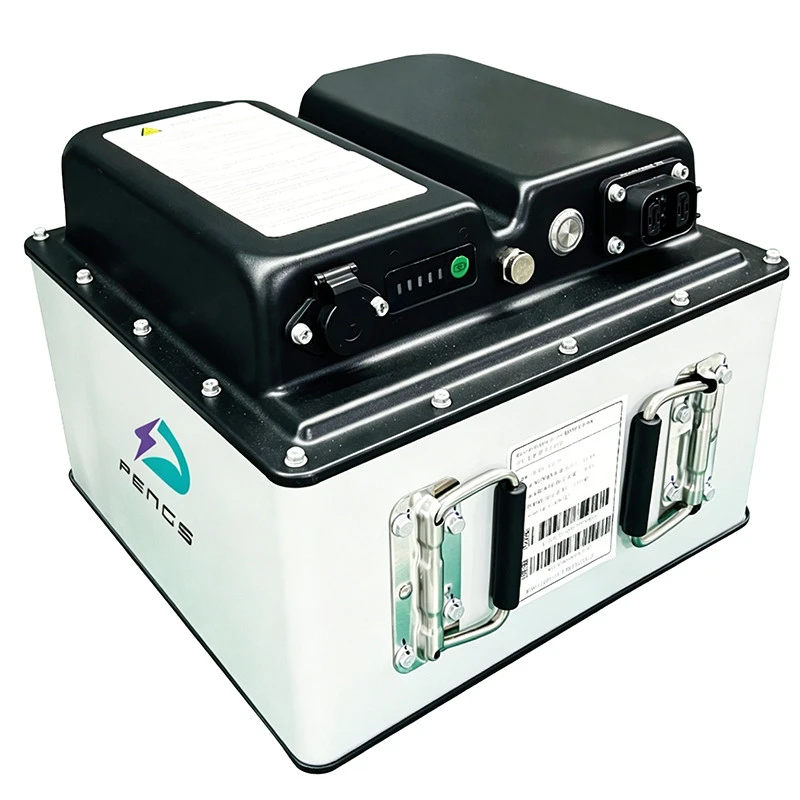
Sealed lead - acid batteries, also known as valve - regulated lead - acid (VRLA) batteries, offer a more maintenance - free alternative to flooded lead - acid batteries. They are sealed, so there is no need to check or refill the electrolyte levels. This makes them a popular choice for users who want a hassle - free battery option.
There are two main types of SLA batteries: absorbed glass mat (AGM) and gel batteries. AGM batteries use a fiberglass mat to absorb the electrolyte, while gel batteries use a gel - like electrolyte. Both types are spill - proof and can be mounted in different positions, which provides more flexibility in battery installation. However, they are generally more expensive than flooded lead - acid batteries and have a slightly shorter lifespan.
Lithium - Ion Batteries
Lithium - ion batteries have revolutionized the electric vehicle industry, including electric tricycles. They offer several advantages over lead - acid batteries.
Lithium Iron Phosphate (LiFePO4) Batteries
LiFePO4 batteries are a popular choice for electric tricycles due to their high energy density, long cycle life, and excellent safety characteristics. They can store more energy per unit weight and volume compared to lead - acid batteries, which allows electric tricycles to have a longer range.
These batteries can withstand a large number of charge - discharge cycles, often up to 2000 cycles or more. This means that they can last for several years, even with regular use. In terms of safety, LiFePO4 batteries are more stable than other lithium - ion chemistries and are less prone to overheating and thermal runaway. They are also environmentally friendly, as they do not contain heavy metals like lead or cadmium.
Lithium Manganese Oxide (LiMn2O4) Batteries
LiMn2O4 batteries are another type of lithium - ion battery used in electric tricycles. They have a high power density, which means they can deliver a large amount of power quickly. This makes them suitable for applications where rapid acceleration is required.
However, they have a lower energy density compared to LiFePO4 batteries, which results in a shorter range. They also have a relatively shorter cycle life, typically around 1000 - 1500 cycles. But they are generally less expensive than LiFePO4 batteries, which can make them an attractive option for cost - conscious consumers.
Nickel - Metal Hydride (NiMH) Batteries
Nickel - metal hydride batteries were once a popular alternative to lead - acid and lithium - ion batteries. They offer a good balance between cost, energy density, and environmental friendliness.
NiMH batteries have a higher energy density than lead - acid batteries, which gives electric tricycles a longer range. They are also more environmentally friendly than lead - acid batteries, as they do not contain toxic lead. However, they have a lower energy density compared to lithium - ion batteries, which means they are heavier and bulkier for the same amount of energy storage.
They also suffer from the "memory effect" to some extent, although modern NiMH batteries have reduced this problem significantly. The memory effect can cause the battery to lose its capacity if it is not fully discharged before recharging. Another drawback is their relatively short cycle life, usually around 500 - 1000 cycles.
Choosing the Right Battery for Different Electric Tricycle Applications
Disability - Related Applications
For wheelchair users who rely on electric tricycles for mobility, Battery Power Packs for Wheelchairs are crucial. In this case, lithium - ion batteries, especially LiFePO4, are often the best choice. Their high energy density allows for longer trips without the need for frequent recharging, which is essential for wheelchair users who may not have easy access to charging points. Their long cycle life also means that the battery will last for a long time, reducing the need for frequent replacements.
Home Use
For home - use tricycles, which are often used for short trips around the neighborhood or for light errands, Home Use Tricycle Battery options can vary. Sealed lead - acid batteries (SLA) can be a good choice due to their affordability and maintenance - free nature. They can provide enough power for short - distance travel and are relatively easy to manage for home users.
Passenger - Carrying Tricycles
Passenger three - wheelers require a battery that can handle the additional weight and power demands. Passenger Three Wheeler Battery often benefits from lithium - ion batteries, such as LiFePO4. Their high energy density and ability to handle high - current discharges make them suitable for carrying passengers over medium to long distances.
Heavy - Duty Applications
In heavy - duty tricycles, such as those used in industrial settings or for transporting heavy loads, Heavy‑Duty Tricycle Battery need to be robust and long - lasting. Lithium - ion batteries are usually the top choice. Their high power and energy density can cope with the constant demand for power and long - distance travel. LiFePO4 batteries, in particular, can withstand the rigorous use associated with heavy - duty applications.
Rehabilitation Tricycles
Rehabilitation tricycles are designed to help patients regain mobility and strength. Rehabilitation Trike Battery should be reliable and easy to use. Sealed lead - acid batteries can be a suitable option here, as they are relatively inexpensive and do not require complex maintenance. However, for rehabilitation tricycles used in more demanding settings or for longer - duration therapy sessions, lithium - ion batteries may be a better choice.
Conclusion
Selecting the right electric tricycle battery is crucial for ensuring optimal performance, range, and longevity of the vehicle. Each type of battery has its own set of advantages and disadvantages, and the choice depends on various factors such as the intended use, budget, and performance requirements.
As a leading supplier of electric tricycle batteries, we are dedicated to providing high - quality batteries that meet the diverse needs of our customers. Whether you're looking for a battery for a wheelchair, home - use tricycle, passenger three - wheeler, heavy - duty tricycle, or rehabilitation trike, we have the expertise and products to serve you.
If you're interested in learning more about our electric tricycle batteries or would like to discuss a potential purchase, we encourage you to reach out to us. We're here to help you make the best - informed decision for your electric tricycle battery needs.
References
- Linden, D., & Reddy, T. B. (2002). Handbook of Batteries. McGraw - Hill Professional.
- Karden, E. (2019). Battery Systems Engineering. John Wiley & Sons.
- Understanding Lithium - Ion Batteries. (n.d.). Retrieved from Battery University: https://batteryuniversity.com/learn/article/understanding_lithium_ion