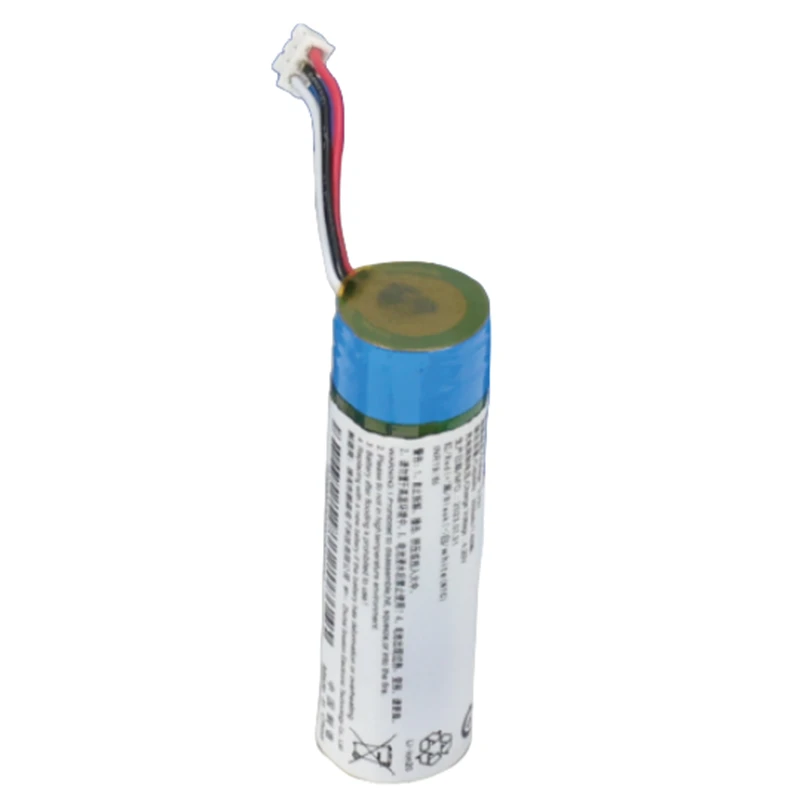
Regarding the future prospects of batteries for electric robots, the overarching trend involves a continuous evolution toward "high energy density, intelligent management, rapid energy replenishment, and enhanced safety." Furthermore, this evolution is becoming deeply intertwined with the automation and unmanned operation processes within the robotics industry.
First is the breakthrough in operational endurance driven by increased energy density. As lithium-ion battery technology undergoes continuous optimization-facilitated by the adoption of advanced materials such as silicon-carbon anodes and high-nickel cathodes-batteries are becoming capable of storing greater amounts of energy within the same volume and weight constraints. This directly extends the operational duration of a robot on a single charge-a development of particular significance for application scenarios such as industrial inspection, logistics and delivery, and service robotics.
Second is the gradual realization and deployment of emerging technologies, such as solid-state batteries, which are widely regarded as a pivotal direction for future development. Solid-state batteries offer distinct advantages in terms of safety; they are less prone to leakage, exhibit superior thermal stability, and possess a higher theoretical energy density. Once scaled-up for mass application, these batteries will significantly enhance both the reliability and operational endurance of robots operating in complex environments.
Third, the trends toward intelligent and system-integrated development are becoming increasingly pronounced. Batteries are no longer merely "power supply units," but have evolved into energy modules deeply integrated with the robot's control system. By combining Battery Management Systems (BMS) with AI algorithms, it is now possible to enable precise charge-level prediction, health-status monitoring, optimized charging and discharging cycles, and remote operation and maintenance management-thereby boosting overall operational efficiency while simultaneously reducing maintenance costs.
Finally, rapid charging and battery-swapping models are also undergoing continuous development. For robotic systems requiring high-frequency operation, traditional, time-consuming charging methods are no longer sufficient to meet operational demands. Consequently, rapid-charging technologies-along with standardized battery-swapping solutions-are emerging as vital complementary strategies that help maximize equipment utilization rates.